Skip to content

Table of Contents
Hair thinning can feel personal, especially when you start noticing more shedding, a wider part line, a receding hairline, or less density at the crown. It can be tempting to try every serum, supplement, or scalp tool online, but real improvement starts with understanding what is causing the hair loss and which treatment is designed to address it.
At Aesthetica Medical Spa, PRP hair restoration treatments in Kalispell are designed for men and women seeking a non-surgical option to support natural hair growth. If you are comparing PRP hair restoration vs microneedling, the difference comes down to how each treatment works, how deeply it supports the follicles, and which concern you are trying to improve.
Which is better for hair loss, PRP hair restoration or microneedling?
PRP hair restoration is often more targeted for thinning hair because it places platelet-rich plasma directly into areas of the scalp affected by hair loss. In contrast, microneedling may stimulate the scalp and enhance product absorption but does not deliver the same follicle-focused growth factors on its own.
Why Hair Loss Needs the Right Treatment
Hair loss can happen for many reasons, including genetics, aging, stress, hormonal changes, illness, nutritional shifts, and scalp health concerns. Some people notice recession around the temples, while others see thinning across the crown or along the part line.
This is where platelet-rich plasma hair restoration and microneedling scalp treatment differ. PRP uses concentrated growth factors from your own blood to support weakened follicles, while microneedling creates tiny channels in the skin to encourage scalp repair and stimulation.
How PRP Hair Restoration Works
PRP hair restoration begins with a small blood draw. The blood is centrifuged to separate platelet-rich plasma from the rest of the sample. This concentrated plasma contains growth factors that may support follicle function, circulation, and tissue repair.
Once prepared, the PRP is injected into targeted areas of the scalp affected by thinning or shedding. These may include the hairline, temples, crown, top of the scalp, or part line. By delivering PRP near the follicles, the treatment is designed to strengthen existing hair and encourage healthier growth over time.
How Microneedling for Hair Loss Works
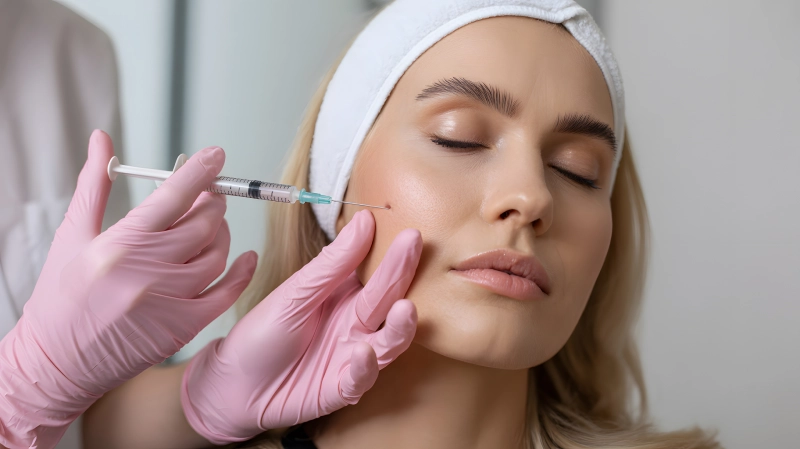
Microneedling for hair loss is a procedure that uses small needles to create controlled microchannels in the scalp. This technique promotes the skin’s natural ability to heal and may help enhance circulation in the treated area.
Some people include microneedling in their general hair care routine because it can improve scalp health and enhance the absorption of topical products. But microneedling does not offer the high concentration of growth factors found in PRP. PRP is a biologic treatment that utilizes components from your own blood. It is more stimulation-based.
PRP Hair Restoration vs Microneedling: The Real Difference
The primary distinction between PRP hair restoration and microneedling is the delivery and level of support. PRP is injected into the scalp to deliver growth factor-rich plasma to the follicles. Microneedling generates surface channels that stimulate the scalp, but it does not inject platelet-rich plasma unless paired with PRP.
This suggests that PRP may be better suited for those with early-to-moderate thinning who require focused follicle maintenance. Microneedling may be more beneficial as a supplementary scalp treatment or as part of a larger regimen that includes PRP, topical agents, and other hair restoration therapies.
Which Treatment Delivers Better Results?
The kind of hair loss determines the best treatment, the stage of thinning, and the condition of the follicles. PRP is typically beneficial for those with androgenetic alopecia, pattern thinning, stress-related shedding, or early- to moderate-stage hair loss, as it directly promotes follicular activity.
Microneedling can stimulate the scalp, the outcomes may be limited when used alone to treat active thinning. If follicles are still present but attenuated rather than completely inert, PRP may provide more support. If the scalp needs stimulation or if your clinician prescribes a mix of treatments, microneedling may still be beneficial.
PRP Benefits for Hair
PRP benefits for hair are tied to the growth factors found in platelet-rich plasma. These growth factors may help improve follicle function, reduce shedding over time, and support a healthier scalp environment. Since PRP is taken from your own blood, the risk of allergic reaction is low.
PRP hair restoration may also appeal to people who want natural-looking results without implants or daily medication. It is a non-surgical treatment with minimal downtime and can be used on common thinning areas such as the hairline, temples, crown, top of the scalp, and part line.
Who Is Best Suited for PRP Hair Restoration?
PRP hair restoration may be a good fit for men and women with early to moderate hair loss. It is often considered for androgenic alopecia, stress-related shedding, aging-related thinning, hormonal changes, or general loss of density.
It is usually best for people with active follicles. If an area has been completely bald for a long time, PRP may not create the same level of improvement because the follicles may no longer be responsive. A consultation helps determine if your hair loss pattern is appropriate for treatment.
What to Expect During PRP Hair Restoration
A PRP appointment starts with a small blood draw. The sample is processed to concentrate the platelet-rich plasma. Once ready, the PRP is injected into areas of the scalp where thinning is present. The procedure is performed in the office and usually involves minimal downtime.
Some tenderness, redness, or mild swelling may occur after treatment, but these effects are usually temporary. Since PRP uses your own blood components, it is considered a natural approach to hair restoration. Your provider may recommend a series of treatments followed by maintenance sessions to help sustain improvement.
When Results May Appear
PRP outcomes are slow since hair grows slowly. “Most patients will see a reduction in shedding or early improvement within 3 to 6 months.” As the follicles adapt and the scalp environment improves, density and thickness may continue to increase.
Maintenance treatments may be advised every six to twelve months, depending on patient response, hair loss pattern, and long-term goals. Be realistic with your expectations and consistent with PRP. Results vary.
Choosing the Right Hair Restoration Treatment
When comparing PRP hair restoration vs microneedling, PRP is usually the more targeted option for hair thinning because it directly supports the follicles with concentrated growth factors. Microneedling may help stimulate the scalp, but it may be more effective as a supportive treatment than as a standalone option for hair loss.If you are ready to learn more about hair restoration in Kalispell, MT, visit Aesthetica Medical Spa for guidance. Schedule Your PRP Hair Restoration Consultation in Kalispell Today and take the next step toward a treatment plan built around your scalp, hair goals, and stage of thinning.